When Symbols of Force Replace the Duty to Serve and Protect
Dr Brian Walker addresses the concerning incident of a police officer wearing a threatening uniform patch, questioning whether current standards of accountability are sufficient to maintain public trust in our institutions.
The heavy weight of a uniform
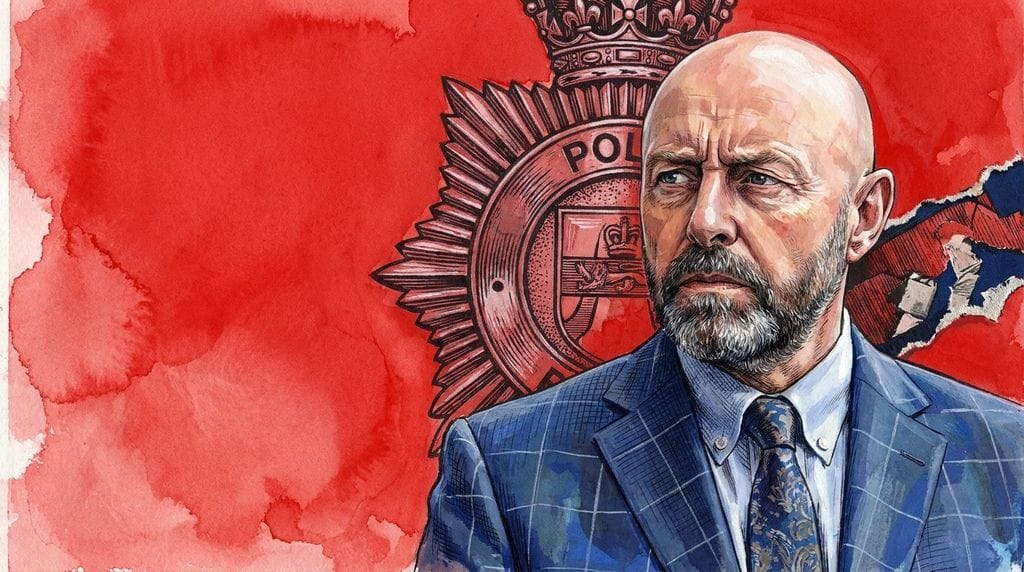
As a medical professional, I have spent much of my life operating under strict codes of conduct. Whether in a surgery or a clinic, the trust placed in a person in uniform or a white coat is fragile. It is built upon the expectation that they are there to help, not to harm. It is therefore deeply concerning when that trust is eroded by those tasked with upholding the law. Recently, I brought a matter to the attention of the Parliament regarding an officer in Geraldton who was documented wearing an obscene and threatening patch while making an arrest.
The imagery and language on the patch were not merely unprofessional. They were a direct display of aggression. When I examined the implications of this incident, I had to ask: what does this tell the public about the values being modelled? The evidence suggests that for some, the badge is being used as a shield for intimidation rather than a symbol of service.
If you want to stay updated on my efforts to hold power to account, I invite you to subscribe to my YouTube channel. Your support helps amplify these vital conversations.
The danger of looking the other way
In the medical field, we diagnose a problem to find a cure. When we see a failure in institutional standards, we must treat it with equal urgency. A civilian caught displaying such aggressive intent would face severe penalties. When an officer of the law does the same, the response of simply calling them well regarded is not just inadequate. It is dangerous. It signals that intimidation is an acceptable part of the job description. This is not just bureaucracy, it is a waiting room where public confidence goes to die.
While the major parties play politics, we look at the evidence. The response I received in the House confirmed that the officer should not have worn the patch and that he received a managerial notice. However, one must wonder if a formal note is sufficient when the core issue is the culture that allowed such a display in the first place.
Holding the standard high
We need our police force to represent the very best of us. This means holding every officer to the highest ethical standards. If we allow threatening symbols to become part of the uniform, we are inviting fear into the very spaces that should be defined by safety and order. You can read the full account of my questions and the response provided in Parliament here. If you believe in a future where evidence and integrity guide our public institutions, I encourage you to join Legalise Cannabis WA today.