Road Safety Myths and the Science of Cannabis Driving Reform
New data from Canada suggests cannabis legalisation does not increase road accidents. Dr Brian Walker questions if our government is keeping pace with international evidence on driving reform.
The disconnect between policy and evidence
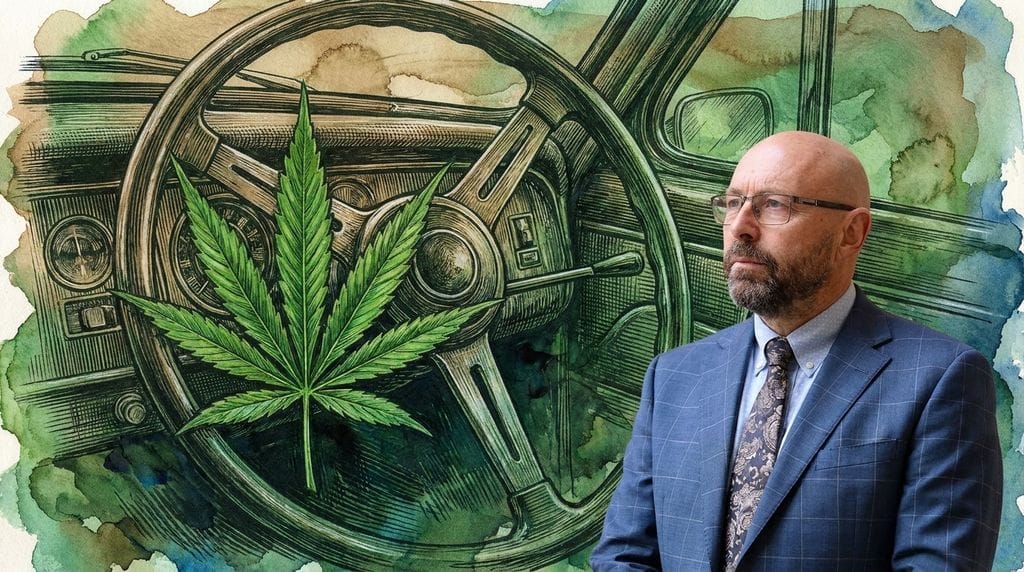
In my years as a GP, I have learned that the best medical decisions are always born from rigorous, peer-reviewed evidence. When a patient sits before me, I do not rely on conjecture or outdated fears. I rely on the facts. It is deeply concerning that when we apply this same logic to public policy, specifically regarding road safety and cannabis, the government seems to be looking the other way. This is not just a matter of parliamentary procedure. It is a matter of fairness for thousands of Western Australians who are living in a state of anxiety: caught between an archaic system and the reality of modern medicinal cannabis use.
The weight of the evidence
Recently, researchers at the Traffic Injury Research Foundation, alongside the Insurance Institute for Highway Safety, published a significant report on the impacts of recreational cannabis legalisation in Canada. The findings were stark and clear. They found no evidence of an increase in fatal motor vehicle accidents. In fact, they found no evidence of an increase in any crashes at all. This should be a signal to our policymakers to pause and reflect. Instead, I see a government clinging to a status quo that penalises patients who are not impaired, but who test positive due to lingering metabolites. This is the difference between true impairment and a bureaucratic hammer falling on innocent people.
If you value science and evidence-based policy over political theatre, you might want to see more of these discussions. I invite you to subscribe to my YouTube channel to stay updated on our progress in the House.
A path forward
I put these questions directly to the government in the Legislative Council. I asked if they had been briefed on this latest research before they finalised their recommendations on THC driving reform. The response was a standard reply: the working group continues to monitor developments. While they monitor, families across our state wait for relief from the fear of losing their livelihoods for simply using a prescribed medicine. I have offered a briefing from my office to ensure they have the best information available, and I am hopeful that this dialogue will lead to a more compassionate outcome. We must ensure our laws reflect science, not fear. You can read the full details of our exchange in the record. If you are tired of the old ways and want to help us push for change, please join Legalise Cannabis WA today.